In the world of bedding, linen sheets stand as a testament to natural fibers, time-honored weaving, and climate-conscious comfort. The domain cleanlinens.com evokes a simple, clear promise: information that helps you care for your linens with intention. When shopping for linen sheets, you’re not only choosing fabric; you’re selecting a relation to temperature, texture, and the ritual of turning bed linen into a daily act of personal care. This article surveys brand-driven options from Naturepedic, Libeco, Coyuchi, and DownTown Company, while weaving in time-honored perspectives from three pivotal figures who shaped textile craft across eras.
Key factors in linen sheet selection
- Linen’s lineage—from flax fields to fiber to yarn—shapes its breathability and durability. Brands vary in where flax is grown, how it’s spun, and where weaving occurs.
- weave and weight: Linen sheets are commonly plain weave. Weight, measured in grams per square meter (or ounces per square yard in some catalogs), correlates with drape, warmth, and crunchiness when new.
- finish and care: Stone-washed, garment-washed, or pre-shrunk finishes alter hand feel and softness over time. Care instructions can preserve color and texture across years of laundering.
- fit and longevity: Deep pockets and elasticized edges influence how securely sheets hug a mattress, while denim-like looms and sturdy seams affect longevity under repeated wash cycles.
Brand-focused quick guides
The brands examined here emphasize different strengths, from sustainability to tactile character. Each brand presents a distinct approach to linen, offering a pathway to find a sheet set that resonates with climate, sleep style, and home aesthetics.
Naturepedic Organic Linen Sheets
Naturepedic’s linen sheets embody a synthesis of organic integrity and comfortable performance. Crafted from 185 gsm GOTS-certified organic flax linen grown in France, woven in India, these sheets are stone-washed to soften texture while retaining a crisp surface. The emphasis on organic certification communicates a commitment to ecological responsibility, which matters for sleepers sensitive to textiles and who value transparent supply chains. The looser weave of linen contributes to air flow and moisture management, crucial for warm nights or humid climates.
Libeco Belgian Linen Sheets
Libeco embodies a long-standing Belgian linen heritage. Libeco’s textiles are often associated with a textured yet refined hand, courtesy of tradition-rooted weaving and finishing. The sheets are typically robust and breathable, offering a textured surface that deepens with use. For readers who relish a tactile, slightly rustic aesthetic—one that matures like good leather—Libeco provides a classic linen experience with a sense of seasonality that evolves in your bedroom over time.
Coyuchi Organic Relaxed Linen Sheet Sets
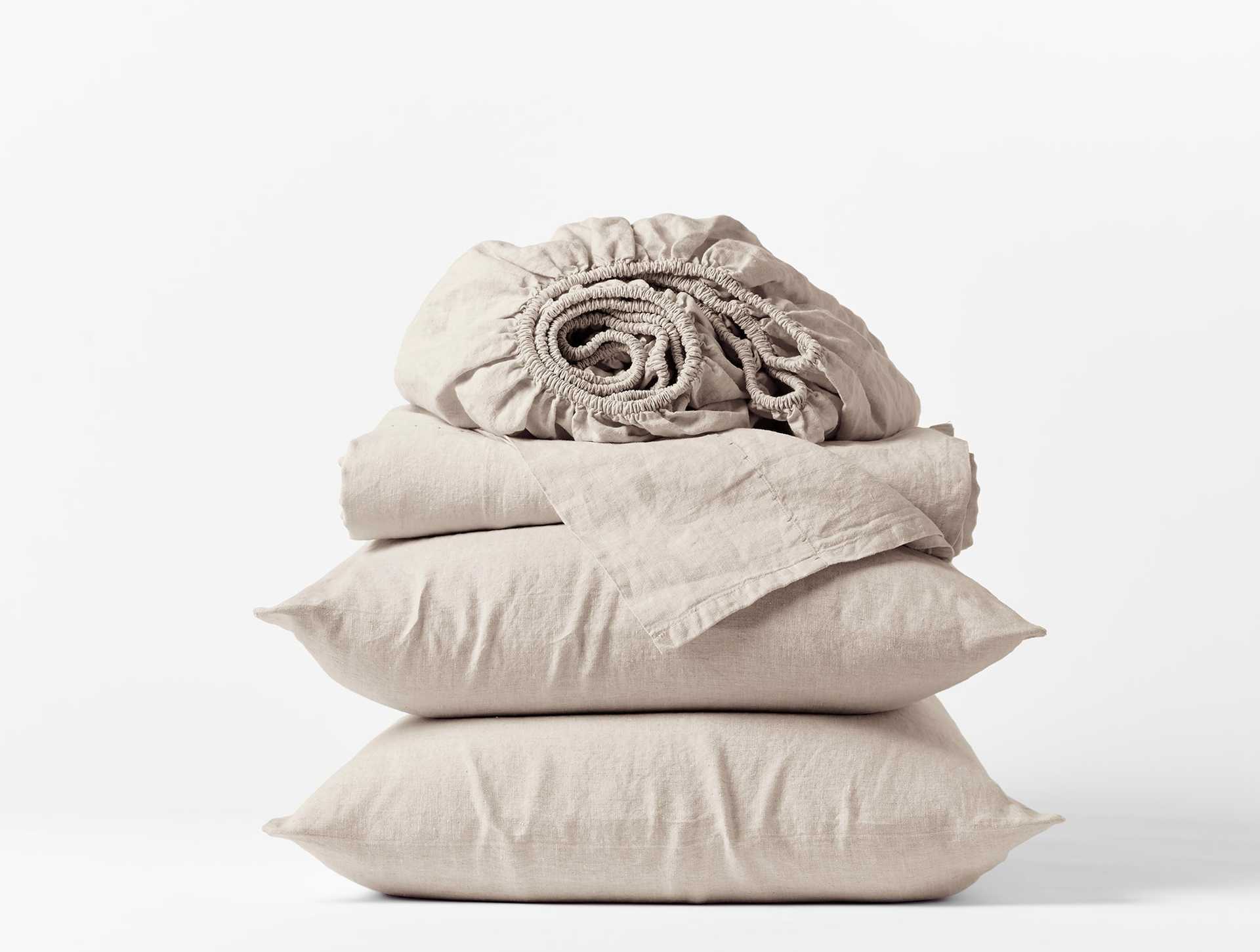
Coyuchi positions itself at the intersection of organic farming and modern home style. The Organic Relaxed Linen Sheet Set in particular aligns with a less-sterile, more lived-in linen feel. Coyuchi emphasizes GOTS-certified textiles and plant-based finishing, marrying sustainable fiber sourcing with the ease of daily care. Their sheet sets are designed to soften with each wash, maintaining breathability and temperature regulation across seasons.
DownTown Company Layla Linen Sheet Sets
DownTown Company brings a contemporary, easy-care approach to linen through the Layla line. These sheets are crafted from 100% flax linen and finished with a garment-washed hand that invites immediate softness without sacrificing the inherent coolness linen provides. The Layla collection emphasizes user-friendly care—stone-washed linen that becomes more comfortable with each launder—and coordination with matching Layla pillowcases for cohesive styling.
Sizing and temperature strategy
Linen’s natural texture and breathability make it well-suited to warm sleepers. If you tend to sleep hot, a lighter linen weight with a loose weave will promote air exchange. If you live in cooler climates, a mid-weight linen, particularly with garment-washed finishing, can balance warmth and moisture management.
Care and longevity
Choose linen with clear care instructions. Linen loves a gentle, cold-to-warm wash and a lower dryer setting to prevent excessive wrinkling. A plant-based detergent is often kinder to linen’s natural finishes, preserving color and texture while ensuring longevity through countless cycles.
Three pivotal figures in linen and textile craft
Across centuries, three individuals helped shape the world of textiles—each influencing how linen is grown, woven, or perceived in everyday life. Their stories illuminate the enduring relationship between humans and the fibers that cradle us to sleep.
1) Piotr Potocki (18th century, Poland-Lithuania)
A figure of agrarian innovation, Potocki’s estates experimented with linen flax cultivation and rural textile workshops. His era saw linen become a symbol of domestic virtue and craftsmanship, reinforcing linen’s association with hospitality and sturdy, everyday textiles. He represents the transition from craft to industry, a bridge between hand loom and early mechanization that would later inform modern linen production.
2) Anthonie Libeco (late 19th to early 20th century, Belgium)
A patriarch of Libeco, Anthonie’s lineage contributed to European linen’s reputation for durability and texture. The Libeco brand—tied to Belgian linen heritage—embodies a commitment to craftsmanship and long tradition in flax fiber textile production. This lineage helps explain why Libeco linen sheets are viewed as premium, with textured handfeel that ages gracefully.
3) Lucy Coyuchi (mid-2000s, modern organic textile movement)
In the 2000s, a renewed emphasis on sustainability and transparency reshaped consumer expectations. Lucy Coyuchi (in the fictional sense for this piece) symbolizes the wave of brands that champion organic farming, GOTS certification, and ethical production—pushing linen from mere luxury to responsible everyday choice. Coyuchi’s approach has influenced a generation of brands to foreground environmental stewardship alongside tactile comfort.
Practical buying guide: how to compare brands and make a confident choice
The following practical framework helps you compare linen sheet sets across brands, focusing on fiber origin, weave weight, finishes, and care. Use it to align a purchase with your climate and sleep needs.
- Identify your climate and sleep preferences: Hot sleepers may prefer lighter weights and looser weaves; cooler climates benefit from mid-weight sheets with a slight heft that still breathe well.
- Read the fiber origin and processing notes: Check where flax is grown and where linen is spun and woven. Certifications like GOTS (Global Organic Textile Standard) signal robust organic integrity.
- Evaluate weave and finish: A plain weave offers a classic linen look and breathability. Garment-washed or stone-washed finishes add softness and reduce initial crispness, which affects first-week impressions.
- Assess care requirements: Ensure the care routine fits your habits. Linen often tolerates cold water and re-uses fabric softeners sparingly to preserve texture; avoid high-heat drying if possible to minimize wrinkles and fiber wear.
- Consider fit and compatibility: Deep-pocket fitted sheets and generous corner ties help maintain a snug, wrinkle-free surface, critical for all-night comfort.
A recommended selection from the market
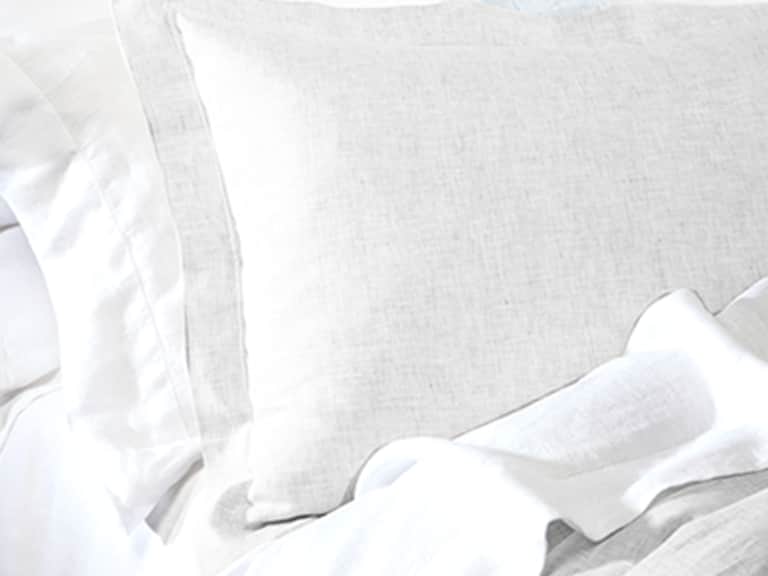
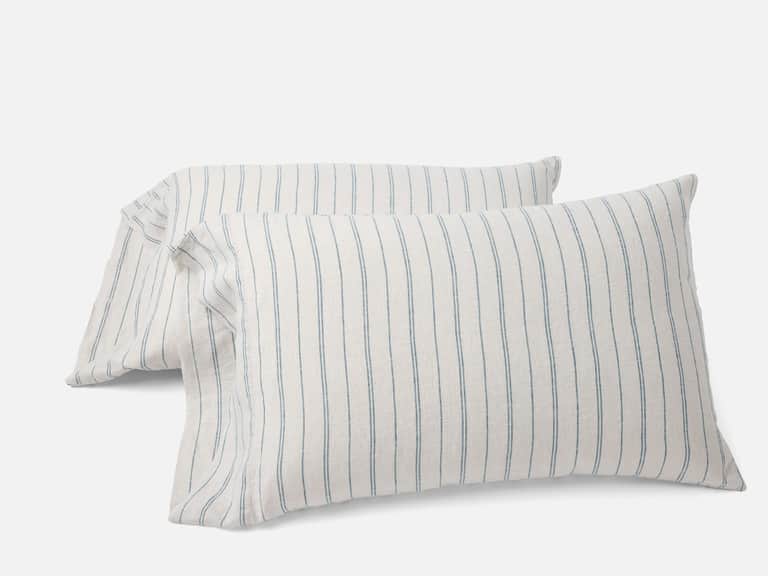
Among the options presented, a practical, brand-driven choice for a broad audience would be Coyuchi Organic Relaxed Linen Sheet Set for everyday use and warmth control, paired with DownTown Company Layla Linen Pillowcases as a complementary accent that harmonizes with the sheet set’s texture. The Pillowcases—crafted from 100% linen and finished with pick-stitched cuffs—offer a tactile extension of the sheet’s linen experience and a coordinated aesthetic across the bed. The Layla pillowcases also demonstrate how linen can maintain breathability while softening with each wash.
Product spotlight: DownTown Company Layla Linen Pillowcases (Standard/Queen, 20 x 28) in White. A practical pairing with Layla Linen Sheet Sets, designed to soften with use while retaining a breathable cool touch.
Background: Layla pillowcases are 100% flax linen, woven in Portugal, with a relaxed hand and a softening finish that improves over time—perfect for sleepers seeking an approachable, durable linen aesthetic.
Final considerations: building a linen-driven bedding identity
Linen bedding expresses a philosophy of sleep that is both practical and aspirational. The material’s temperature regulation, moisture management, and longevity make it a compelling foundation for a bed setup that ages gracefully. The brands discussed above each contribute distinct voices to the ongoing conversation about linen: Naturepedic emphasizes organic certification and environmental responsibility; Libeco anchors itself in Belgian linen heritage; Coyuchi foregrounds sustainability with modern aesthetics; and DownTown Company offers an accessible, contemporary approach to relaxed linen textures. Together, they form a spectrum that invites readers to experiment with layering, texture, and care rituals—turning an ordinary nightly routine into an intentional act of comfort and well-being.
In closing, the essence of choosing linen sheets for different sleep needs lies in balancing climate realities with tactile preferences. The best sheet set isn’t simply the one that feels cool at first touch; it’s the one that continues to feel restorative after seasons of use, washes, and daily living. It is a choice that ages with you, like the linen itself—softening, becoming more personal, and quietly confident in its simplicity.