Pillows · Linen Care
Linen Pillowcases: How to Choose the Right Fit and Feel
A pillowcase is a small piece of fabric with a close relationship to your nightly comfort. The right one fits without straining, feels pleasant against the skin, and can be laundered in a way that lets linen grow softer over time. Start with the pillow itself, then compare measurements, construction, texture, and care instructions.
Begin with the pillow, not the label
Shopping for linen pillowcases can seem straightforward until familiar size names start to blur. Standard, queen, and king are useful reference points, but they do not guarantee that every pillow or case bearing the same name has identical dimensions. Pillow designs vary, and a lofty or generously filled pillow may occupy more space than a flatter one with the same stated width and length.
Before comparing pillowcases, measure the pillow you plan to use. Lay it flat and measure from side to side and end to end without compressing it. If the pillow is unusually deep, firm, or plump, take note: that thickness can affect how easily it slips into a case and how much room remains at the opening.
Then check the product’s finished measurements. A case that is too short may pull tight across the pillow and stress its seams. One that is much too roomy can bunch around the head or look loose on the bed. A little ease is normal and often comfortable; the aim is a smooth fit that does not flatten the pillow or leave a large pocket of excess fabric.
For a coordinated set, check the dimensions of every component rather than assuming that pillowcases are universal. Some sets include one pair, while configurations and pillowcase sizing may vary by size. Confirming those details before buying can prevent an otherwise beautiful linen set from becoming an awkward match for the pillows already at home.
How to read pillowcase dimensions
Dimensions are commonly written as width by length, though product pages may present them in different formats. Compare like with like: a measurement for the case should be checked against the pillow’s corresponding sides, not against the size name alone. When measurements are listed in inches, a small difference may be meaningful for a close-fitting design; when they are absent, ask the seller for the finished size before ordering.
Consider how you use the pillow, too. A pillow that is frequently moved, folded, or hugged may benefit from enough room to shift naturally inside the case. For a pillow used mainly for support, a neater fit can help keep the fabric from gathering beneath the face. Personal preference matters, but the case should not need to be pulled hard at the corners to close or stay in place.
- Measure the pillow itself. Use its relaxed, uncompressed dimensions and note whether it has an especially high loft.
- Find the case’s finished size. Product labels can be broad; measurements provide a better comparison.
- Check the opening and closure. An envelope flap, button, or other closure affects usable interior space.
- Allow for fabric behavior. Washing and drying can change how a textile feels and hangs, so follow the maker’s care directions.
- Verify the set contents. Confirm the number and size of cases included, especially when shopping for a complete bedding set.
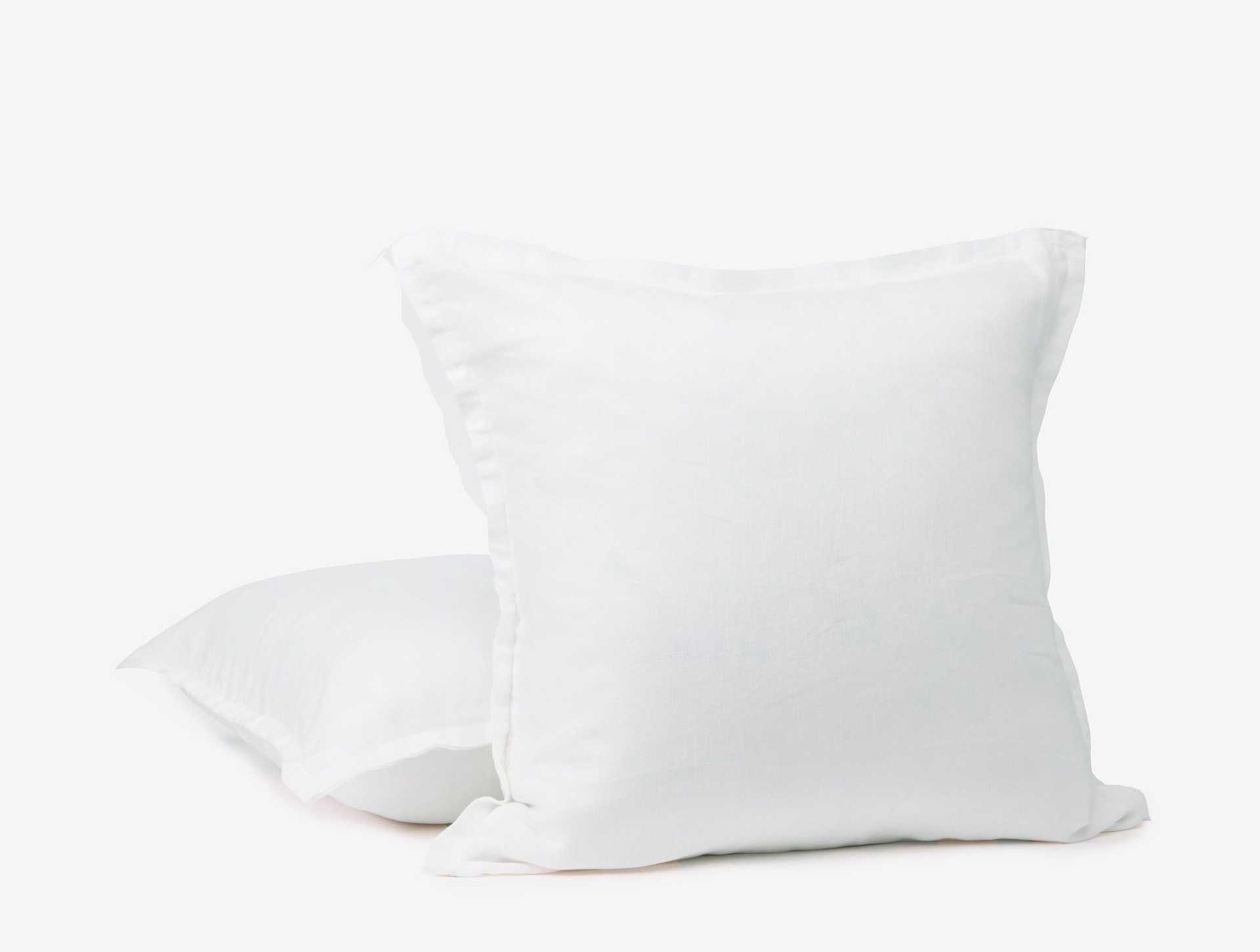
For example, the Classics Geneva Pillow-case is described as a lightweight, 100% linen case with a flange finish. Its product information gives the fabric weight and care guidance, but buyers should still confirm the finished case dimensions and compatibility with their own pillow before purchasing.
Closure styles and the details around the edge
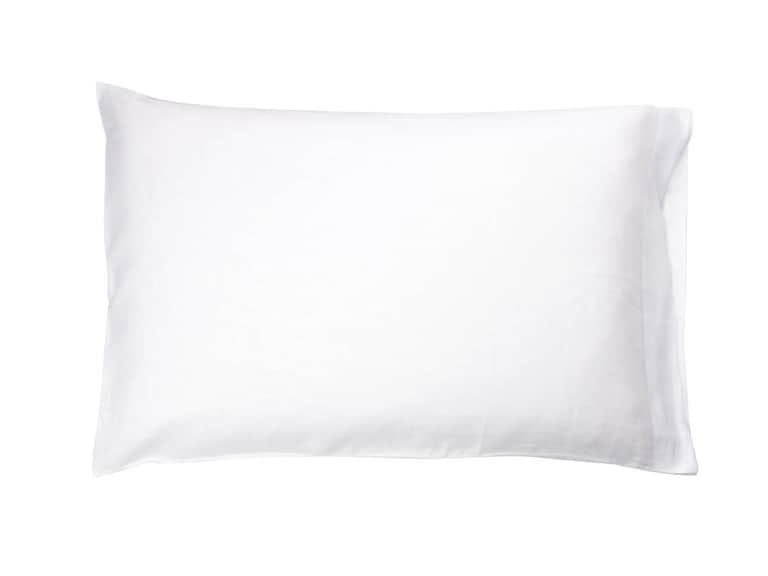
A pillowcase’s opening is a practical detail with an effect on both fit and appearance. An open-ended case is simple to put on and remove, but the pillow may peek out if it shifts. An envelope closure uses an extra fabric panel that folds over the pillow’s end. It can create a tidy finish without a separate fastener, though the overlap takes up some interior length. Button or other closures can help hold a pillow in place, but they add hardware and may influence the feel near the opening.
Flanges and cuffs are different: they are finished edges that extend or fold around the opening, often adding a framed look. A flange can make a pillowcase feel more tailored on a made bed, while a simpler edge keeps attention on the fabric’s texture. Neither construction is inherently better. The right choice depends on the bed’s style, how the pillow is arranged, and whether you prefer decorative detail or a quieter finish.
When a pillowcase has a generous flange or deep cuff, check whether the stated measurement includes that decorative section. Listings do not always describe dimensions in the same way, so a quick question can clarify the usable space. Also consider how the edge behaves after laundering: linen naturally relaxes, and a well-made finish should remain comfortable without feeling stiff or bulky.
Understanding linen’s texture
Linen is made from flax fibers. Its surface often has a visible, slightly irregular character that distinguishes it from smoother cotton fabrics. Depending on the yarn, weave, finishing, and washing, linen may feel crisp, airy, softly pebbled, or already relaxed when new. There is no single linen hand-feel, so product descriptions such as “washed,” “stone-washed,” or “relaxed” offer clues, not a substitute for your own preferences.
Some people enjoy linen’s textured touch from the beginning; others prefer a smoother pillow surface and may need time to adjust. If you are uncertain, look for the fabric weight, weave description, and any information about prewashing or garment washing. Weight is often given in grams per square metre or ounces per square yard. It can help compare fabric substance, but it does not independently tell you whether a case will feel soft, cool, or coarse. Yarn quality, construction, finish, and personal sensitivity all play a part.
Linen is often valued for airflow and moisture management. Those characteristics can make it appealing in bedding, particularly for people who dislike a heavy or clammy-feeling pillowcase. But comfort is individual: room temperature, pillow fill, skin sensitivity, and sleep habits also shape the experience. No fabric can guarantee a particular sleep outcome, and a breathable case is only one element of a comfortable bed.
New linen may feel firmer than it will after regular use. Repeated gentle washing can help the fabric relax, while rough treatment can wear fibers and finishes unnecessarily. If the first touch feels different from what you expected, give the care label a careful read before deciding whether the fabric is unsuitable. A few sensible laundry cycles may change the hand-feel, though the pace and degree of softening vary by product.
Fit and feel together: choose for your pillow habits
Think about the pillowcase as a working layer rather than a decorative shell. If you turn your pillow often, a closure that keeps the end covered may be useful. If you change cases frequently, a simple opening may save time. If you use a tall, firm pillow, prioritize adequate dimensions and a closure that does not compress it. A pillowcase should protect the pillow while allowing it to retain the shape and support you chose.
People who prefer a crisp, ordered bed may gravitate toward a smoother finish and a more tailored edge. Those who like an easy, lived-in look may enjoy the natural creases and relaxed drape associated with linen. Wrinkles are part of linen’s character, not necessarily evidence of poor care. Ironing is optional unless the product instructions or your own styling preference suggest otherwise.
For a guest room or a bed shared by people with different preferences, consider buying cases that can be mixed with existing bedding and replaced individually. Neutral colors and straightforward finishes are easy to coordinate. If the pillowcases will sit beside patterned sheets or a textured duvet cover, let one element lead: a calm linen case can balance a busier bed, while a decorative flange can add structure to a plain set.
Care that helps linen soften over time
Start with the care label or the maker’s instructions. Linen products do not all receive the same finishing treatments, and recommendations can differ from one item to another. As a general approach, wash pillowcases with similar colors, avoid overcrowding the machine, and choose a gentle cycle when the product guidance calls for it. Room in the drum lets fabric move more freely and can reduce unnecessary abrasion.
Use an appropriate amount of detergent. More is not automatically better: excess detergent can leave residue, while strong products may be unsuitable for some dyes or finishes. Avoid chlorine bleach unless the care instructions explicitly permit it. For linen, mild detergent and a moderate wash routine are often sensible choices, but the label takes precedence over general advice.
Drying deserves equal attention. High heat and over-drying can make fabric feel harsher and may contribute to wear or shrinkage. Where the care instructions allow, line drying or using a low dryer setting can be gentler. Remove the case while it is still slightly damp if you want to smooth it by hand or press it with steam, following the product guidance. If you prefer a relaxed look, let it dry and use it without ironing.
Do not use fabric softener automatically. Linen may soften with ordinary use and washing, and a softener is not necessary for every product. Follow manufacturer directions, particularly when the fabric has a special finish. Likewise, avoid assuming that all linen should be washed at one temperature: some cases specify cold, gentle washing, while others permit a warmer wash. The care label is the most reliable guide for that particular item.
- Read the care instructions before the first wash.
- Separate colors and wash the cases with similarly textured items.
- Use a gentle cycle and mild detergent when recommended.
- Leave enough room in the washer for the fabric to move.
- Choose a drying method and temperature permitted by the label; avoid over-drying.
- Fold or place the case on the pillow once dry, and iron only if you want a smoother finish.
With these habits, linen can become more supple without being treated harshly. Softening is gradual and depends on fiber quality, weave, finish, and laundering. A pillowcase that remains somewhat textured is not necessarily being cared for incorrectly; that tactile character is part of what many people seek in linen bedding.
Coordinate with the rest of the bed
Pillowcases sit at the top of a layered system. Their color, texture, and finish can connect sheets, a duvet cover, and decorative pillows without requiring every piece to match exactly. A white or natural-toned linen case can create a quiet foundation, while a contrasting edge or accent pillow gives the bed a little more definition. For a consistent tactile experience, pair linen pillowcases with linen sheets; for contrast, combine them with another breathable fabric whose care needs are compatible.
Care compatibility is worth checking before mixing textiles in the same laundry load. Different fibers, colors, and finishes may require different wash temperatures or drying methods. When in doubt, wash delicate or newly purchased items separately for the first cycle, and follow the instructions for the item with the gentlest requirements.
Decorative covers should not be confused with everyday pillowcases. A decorative cover is often designed for an accent pillow or insert, and its dimensions, closure, and cleaning needs may differ from those of a case used directly over a sleeping pillow. Check what is included and whether an insert is sold separately. Keeping the distinction clear helps ensure that each layer serves its intended purpose.
A quick checklist before you buy
When comparing linen pillowcases, use the same questions for each option. This makes it easier to distinguish a useful specification from an attractive description and to choose a case that suits your actual pillow and routine.
- Will it fit? Compare the pillow’s measurements with the case’s finished dimensions.
- How does it close? Decide whether you prefer an open end, envelope flap, or another closure.
- What is the edge finish? A flange or cuff changes the look and may affect usable space.
- What does the fabric feel like? Look for notes about weight, weave, and prewashing or other finishing.
- How should it be laundered? Confirm the permitted wash cycle, temperature, detergent, and drying method.
- What exactly is included? Check the number of cases, size, and whether the item is a standard pillowcase or decorative cover.
- Will it work with your bedding? Consider color, texture, laundering requirements, and the way you like the bed to look.
The lasting appeal of a well-chosen case
A good linen pillowcase does not need elaborate care or complicated styling. It needs to fit the pillow, feel right against the skin, and suit the habits of the person who uses it. Checking the measurements, closure, edge finish, and care instructions before buying can prevent small frustrations later. Once in use, gentle laundering and restraint with heat give the fabric a chance to relax naturally.
In the broader world of pillows, the case is both a protective layer and a point of daily contact. Choosing it thoughtfully helps keep the pillow covered, makes routine washing manageable, and brings texture to the bed. Linen’s character develops with use; with a suitable fit and straightforward care, that evolving softness can become one of the quiet pleasures of everyday bedding.